
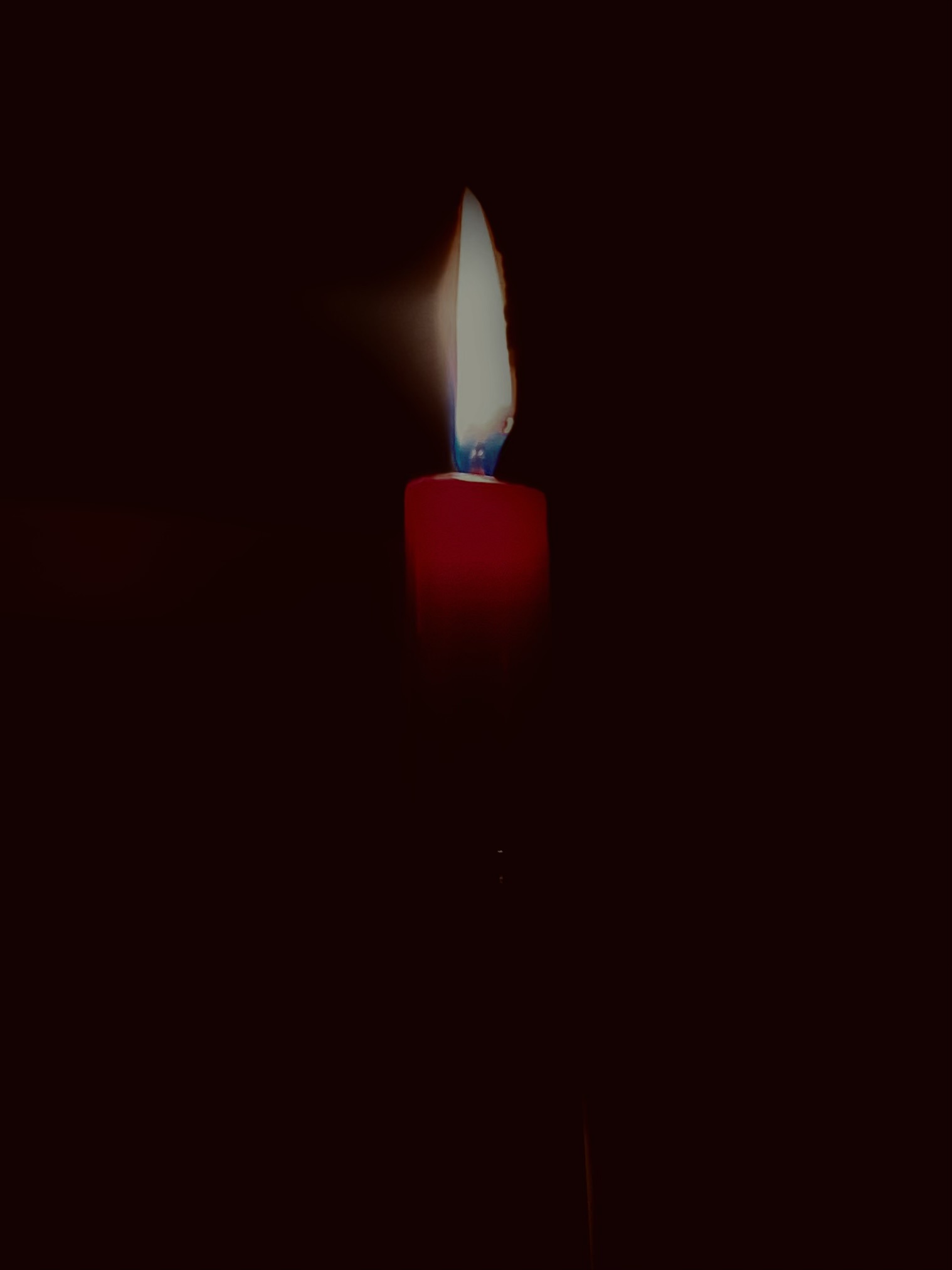

Advent-ure
Tell me you see it too! I don’t know why I’ve never noticed it before! Now, I can’t seem to unsee it!
Advent… Adventure…
Yesterday, according to our western culture, was the beginning of the advent season. One that encourages waiting in anticipation, the celebration that the long-awaited Messiah, Jesus Christ, has come into the world, and the joyous expectation that He is returning soon. I look forward to this time of year. I love picking out an advent devo to read every morning and just sit with the Lord in it, letting Him rekindle awe and wonder in my heart. I have read that advent literally means “coming” or “arrival”. Both are true of Jesus, because again, He has arrived and is coming again.
I have often thought of this season as somber. Like most things our Christian culture considers “holy”, to me, I’ve always felt there to be an undertone of mourning or sadness, seriousness or intensity—in fact the more intense the better. And hear me, I believe in reverence before a Holy God and I’m not out buying “Jesus is my homeboy” bumper stickers. But, I do believe in friendship with Him, like the scripture says, “Friendship with the Lord is for those who fear Him.” (Psalm 25:14) My point is, I think I have misunderstood holy things at times. And surrounding this season, two quotes keep coming to mind.
The first… “Intensity isn’t a fruit of the Holy Spirit, joy is.” (This one came from a Pete Greig book. I can’t remember who he was quoting.) But this phrase keeps repeating in my mind over and over. So I ask, what could be more holy (set-part), in the dark, broken, lost and intense world, than joy? I don’t have to have the answers to be holy, I don’t have to have stellar quiet times with intense prayer sessions, or have my three minute testimony ready at all times. I just have to have my heart and ears tuned and my mind and eyes fixed on Him, the One who cultivates joy in me. It’s not the things I do to fix myself that make me holy, it’s the things He does in me, and through me.
I was reading a BEMA devo last week on YouVersion. Yes, they have those, if you’re interested. The very first day started out with these questions. I answered them honestly. I would encourage you to do the same. Could be as eye opening as it was for me.
“What is the nature of the world we inhabit today? Is it fundamentally good, in need of renewal? Or is it fundamentally broken, in need of replacement? What do you see when you look at the world?”
I’m not gonna lie, without a second thought, my answer was fundamentally broken. Hopeless is the word that came to mind. But then I kept reading…
“The rabbis talk at great length about the principles of ayin tovah and ayin ra’ah— the “good eye” and the “bad eye.” If one has a good eye, they see the world in light of its potential goodness and possibility; they have the belief that goodness and light are driving the direction of our experience. Conversely, if one has a bad eye, they see the world through the lens of scarcity and potential disaster; they have a fear that darkness and depravity is going to screw up the story.”
Ouch. He keeps going…
“Now, there is certainly no denying the deep and profound ways in which we experience struggle and darkness in our world. Without a doubt, there are massive problems and incredible brokenness in our world. Sin is a real danger on personal, relational, corporate, social and systemic levels. There can be no reasonable perspective that denies the reality and impact of disaster in our lives. But is that all? Is that the essence of this world and the people in it?
Because on the other hand, there is an alternative narrative in Hebrew Scriptures— the story of God— set out in the first pages to undo this misconception of doom and defeat, insisting instead that, in the midst of the brokenness, there is wholeness. Even in a world coated with badness, if you were to scrape it away you would find goodness underneath. The basalt-ridden landscape surrounding a volcano is indeed hard, cracked, lifeless, and black. But that is only the surface of things. The underlying reality is that the vast majority of this planet is actually brilliant, pulsing hot, life-giving magma. In spite of massive darkness, there is light; in spite of pervasive death, there is life.”
”This narrative invites us to be a people of ayin Tovah (good eye).
Before it ever gets to acknowledging the badness and the brokenness of the world (which is certainly does), this story insists on teaching us a very important lesson, one that we skip over at our peril: The world God made and world that still endures is blessed and good. Very good, even. The danger of moving on before we learn this lesson is immense. We invite the possibility of being focused on the problems so much that we end up redefining our fundamental existence by them. This is undoubtedly what much of our Christian theology has done. With a slight nod to the goodness of creation and an acknowledgement of the authority of the Creator, we race ahead to the next story, start our lesson a couple chapters later than we ought to, and begin with the wrong perspective: that of ayin ra’ah (bad eye).
Before we meet Adam and Eve, before we take a stroll in the garden, we are invited to learn a very important practice— the practice of trusting this story of goodness.”
“This practice is both a reminder and subversive act. It is a reminder of what is most true about our world, no matter what our experience tries to tell us. It is a reminder that goodness, life, potential, possibility, love, acceptance, and grace lie at the heart of creation. They are native species of this world. It is a reminder that death, disease, cancer, selfishness, greed, exclusion, and injustice are an invasive species— intruders that must be done away with.
And it is an act of subversion against this pervasive motif of darkness that seeks to define our worth, set our pace, and demand our attention. It is a willful act of setting our gaze on what we believe to be true, what we trust in God’s story, over and against what we fear and what we feel.
Trusting in the goodness. Resting in the trust. Entering the rest.” —Marty Solomon
And I didn’t even share all of it. But, I share this, because I believe Jesus had a good eye. He grew up and experienced the brokenness, the pain, the temptations, the selfishness of hearts and all the darkness this world carries. Yet, He still said yes to the Father to take our place in death, but also to rise again, to give us life. He chose to participate in the (as Kristi McLelland says) “restoration, renewal and repair of the world”. Not only that, but He invites us to be participate as well. Even giving us His Spirit as the gift, The Helper, so that we can, in fact, partner with Him.
The second quote that keeps echoing in my mind is… “Let us go on and take the adventures that shall fall to us.” (C.S. Lewis, Chronicles of Narnia) Adventure— “An unusual and exciting, typically hazardous, experience or activity.” The story of Advent, the story of the arrival of Jesus, is full of adventure. Starting with Zechariah and Elizabeth. The story meets them in their agony of waiting and barrenness, to suddenly the visitation of Gabriel. Zechariah goes mute, Elizabeth gets pregnant in their old age. Then her cousin Mary, a young virgin, also gets a visitation from Gabriel. Receiving the gift of conceiving Jesus by the Holy Spirit, even though the cost was high—her reputation, not to mention her life was in danger because of this yes. So she flees to visit Elizabeth, who she was told by the angel, is also miraculously pregnant with promise. Then sweet Joseph. God reveals it all to Him in a dream and he listens and marries Mary reguardless of what it would look like. Do I need to mention the shepherds seeing the angels singing in the sky, or Anna in the temple or wise men following a star? The story is full of unusual, exciting, and yes, even hazardous experiences. I think Advent is meant to be an invitation to Adventures with God. And one common thread, that I believe all who were apart of this story shared, was they were all people of ayin tovah (good eye). When they said yes to the adventure that fell to them, they were ultimately saying yes to the restoration, renewal and repair of the world.
And might I point out these aren’t just regular ole adventures. These are God adventures. The ones in which He invites, He plans, sets it all into motion, carries it out, participates in and sees through to the end. We can trust. We can rest. We can enjoy the ride. We just say yes and follow His lead in obedience and the holiness of joy just seems to overflow.
Your encouragement for the week:
What kind of eye do you have? May we be Sons and Daughters of ayin tovah! May we receive, rest in and live from His story starting in Genesis 1, rather than starting in Genesis 3. I pray we learn to practice deeply trusting in His story, rather than the darkness we see around us and fear we feel inside us. May we be a people set part by the joy the Holy Spirit is growing and cultivating inside of us, along with all His other fruit. I pray we say yes to the adventures that advent invites us into. May we partner with Jesus in the life-giving restoration, renewal and repair of the world. Are you willing to say yes to the Advent-ure? (Yea, I know that was cheesy, but you know what I’m saying.) Love you guys!
Leave a Reply